Dog Foods for Itchy Skin: How to Compare Labels for a Great Pyrenees
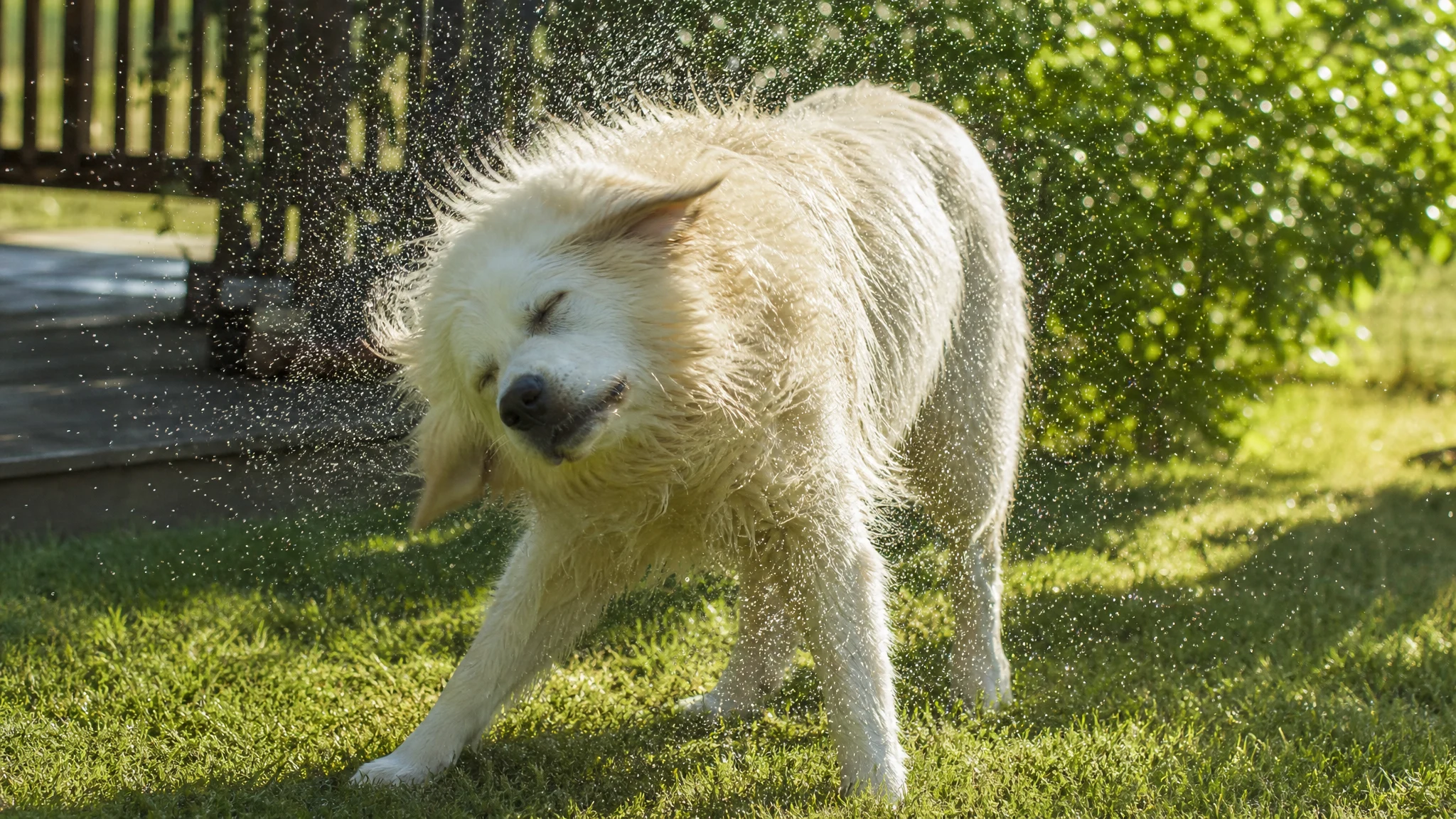
General nutrition information compiled from product labels and published sources, not veterinary advice. Your veterinarian is the right person to choose a diet for your dog, especially one with a health condition.
A Great Pyrenees scratching at a thick white coat is hard to ignore. Many owners then start reading dog food bags, hoping the right recipe will fix it.
Here is the honest starting point. No bag can promise relief, and no label tells you the best dog food for itchy skin for your particular dog. Itching has many possible causes, and a veterinarian is the person who sorts them out. What a label can do is show you what a food is, who it is built for and how much energy it packs. This guide walks through that comparison step by step.
What this guide can and cannot do
We compared label data from brand pages. We did not run feeding trials or taste tests, and we did not watch any dog's skin change on any food. Nothing here says a food prevents, treats or cures a skin problem, an allergy or any other condition.
For breed context, the Hill's Pet breed page lists adult Great Pyrenees at 85 to 120 pounds, with males heavier. The Westminster Kennel Club classes the breed as large. That size matters when you read life stage wording on a bag.
Materials you will need
- The bag or can of your current food, or the brand's own product page for any food you are considering.
- A pen and paper, or a simple spreadsheet.
- Your dog's current weight and age.
- Notes on the itching: where, how often, any hair loss or redness, and what changed recently.
- A list of everything your dog eats, including treats, chews and table scraps.
- An appointment with your veterinarian.
Step-by-step: comparing labels
Step 1. Talk to your veterinarian first
Itchy skin can come from parasites, infections, environmental triggers, food reactions and more. A food swap will not sort out which one is at work. Your veterinarian can examine the skin and decide whether a diet change makes sense for your dog.
If a food trial is recommended, the vet will usually say which diet to use and for how long. Prescription diets are something only a veterinarian prescribes. Do not try to copy one with an over-the-counter bag.
Breed sources we reviewed do not tie any specific skin condition to a diet for Great Pyrenees. For that reason, check with your vet and the brand about any skin-focused claim.
Step 2. Match the life stage
Start with who the food is for. Hill's says Great Pyrenees puppies need large-breed nutrition until at least 18 months, and that full adult size can take up to two years. It also notes that calcium and phosphorus ratios matter for bone development.
For adults, the Royal Canin Giant Adult page describes dogs over 100 pounds. The Royal Canin Large Adult page covers 56 to 100 pounds. A Great Pyrenees can fall in either range, so ask your vet which fits your dog's weight and build.
Step 3. Read the AAFCO statement
Find the sentence that says the food is complete and balanced. It should name a life stage: growth, maintenance, or all life stages. It may say the food was formulated to meet the AAFCO Dog Food Nutrient Profiles, or that animal feeding tests substantiate it. Those are two different routes to the same claim, and the wording tells you which one the brand used.
For growing puppies and all-life-stages foods, look for wording that includes growth of large-size dogs, meaning 70 pounds or more as an adult. A Great Pyrenees falls in that class. This detail comes from Dog Food Advisor's summary of AAFCO profiles, so confirm the exact wording on the bag or with the brand.
Step 4. List the first five ingredients
Write down the first five ingredients exactly as printed. Ingredient lists run by weight before cooking, so fresh meat is heavy with water and meal is not. That makes the order hard to read at face value.
Treat the list as a record of what is in the bowl, not a verdict. If your vet has named an ingredient to avoid, scan the full list for it, including fats and flavors. Do not assume a short or fancy list is better.
Step 5. Compare protein, fat and calories on the same basis
This step is where many comparisons go wrong. Some brands print a guaranteed minimum. Others show a dry matter average, which is a different measure. Put them side by side and they look different even if they are not.
Calories per cup are easier to compare, and they matter for a big dog. Large breeds should stay lean for their joints, which is why the Hill's breed page stresses controlled growth and moderate exercise.
Step 6. Build a small comparison table
Below are label figures taken from each brand's own page. Protein and fat are labeled as minimums or dry matter averages, so do not compare across those two columns.
| Food | Life stage on label | First ingredients | Protein and fat | Calories per cup |
|---|---|---|---|---|
| Hill's Science Diet Adult Sensitive Stomach & Skin Large Breed Chicken & Barley | Adult, large breed | Chicken, chicken meal, yellow peas, cracked pearled barley, brown rice | 25% protein, 16.7% fat (dry matter averages) | 393 |
| Hill's Science Diet Adult Large Breed Chicken & Barley | Adult, large breed | Chicken, cracked pearled barley, brown rice, brewers rice, whole grain wheat | 23.8% protein, 15% fat (dry matter averages) | 365 |
| Royal Canin Large Adult | Adult, 56 to 100 lb | Chicken by-product meal, brewers rice, wheat, brown rice, chicken fat | 24% protein min, 15% fat min | 360 |
| Royal Canin Giant Adult | Adult, over 100 lb | Chicken by-product meal, brewers rice, chicken fat, brown rice, corn protein meal | 26% protein min, 18% fat min | 427 |
| VICTOR Hi-Pro Plus Large Breed Puppy | All life stages | Chicken, chicken meal, brown rice, whole grain millet, whole grain sorghum | 30% protein min, 14% fat min | 365 |
Kibble size is not listed on any of these pages, so ask the brand if that matters for your dog. Also note that the Hill's Sensitive Stomach & Skin name is a product name. We are not saying it helps any skin condition, and you should ask your vet before choosing it.
For a fuller look at large-breed options, see our label-by-label comparison of dog foods for Great Pyrenees.
Step 7. Check the feeding guide as a starting point
Every brand prints a feeding guide, and it is only a starting point. Hill's says to adjust amounts as necessary to maintain optimal weight. Royal Canin points to a calculator on its page. Use the guide, then watch your dog's body condition and ask your vet to confirm.
Step 8. Change foods slowly, and only one thing at a time
If your vet approves a new food, transition gradually and keep a diary. Do not add new treats, chews or supplements at the same time. Otherwise you cannot tell what changed. Ask your vet how long to wait before judging the result, because that depends on the dog and the reason for the trial.
Tips
- Take photos of the itchy areas weekly. Photos are easier to compare than memory.
- Keep the old bag until the trial ends, so you can show your vet the exact label.
- Ask the brand directly about anything the page does not state, such as kibble size or the full AAFCO sentence.
- Do not forget the bloat risk. PetMD advises several small meals, no vigorous exercise around mealtimes and no raised bowls for this breed. Ask your vet how that applies to your dog.
Common mistakes to avoid
- Switching foods before the vet visit. It can hide clues and delay the real answer.
- Comparing a guaranteed minimum with a dry matter average. They are not the same measure.
- Choosing a puppy or general-puppy food for a growing Great Pyrenees. A small-breed or general puppy label may not say it covers large-size growth.
- Assuming grain-free is safer. The FDA has investigated a possible link between certain diets and canine dilated cardiomyopathy. Its latest update on that page is dated December 23, 2022, and it does not plan further public updates until there is meaningful new scientific information. Ask your vet before choosing any diet on this basis.
- Changing several things at once. Food, treats, shampoo and supplements all together make results impossible to read.
- Skipping treats in the count. Extra calories add up fast in a 100-pound dog.
What results to expect
Expectations should be modest. If a food trial is part of your vet's plan, some dogs may show less scratching over time, and others may show no change. That depends on the cause, which the label cannot reveal.
A good result from this process is not a miracle recipe. It is a short, well-documented list of foods that fit your dog's life stage and size, and a clear record your veterinarian can use. If the itching continues, or if you see sores, odor or hair loss, go back to your vet rather than trying another bag.
Sources
- Hill's Pet: Great Pyrenees breed page
- Westminster Kennel Club: Great Pyrenees breed page
- PetMD: Great Pyrenees breed page
- FDA Center for Veterinary Medicine: investigation of diets and canine dilated cardiomyopathy
- Dog Food Advisor: AAFCO nutrient profiles
- Royal Canin US: Large Adult and Giant Adult
- Hill's Pet: Adult Sensitive Stomach & Skin Large Breed and Adult Large Breed
- VICTOR Pet Food: Hi-Pro Plus Large Breed Puppy